
Reading note 01 / Science & perception
A face on Mars. Or a trick of the light?
One landscape. Two very different impressions. What happens when we get a better look?
Coming soon
There’s more to the story.
A fuller exploration is coming soon. Read the current notes below.
The first impression
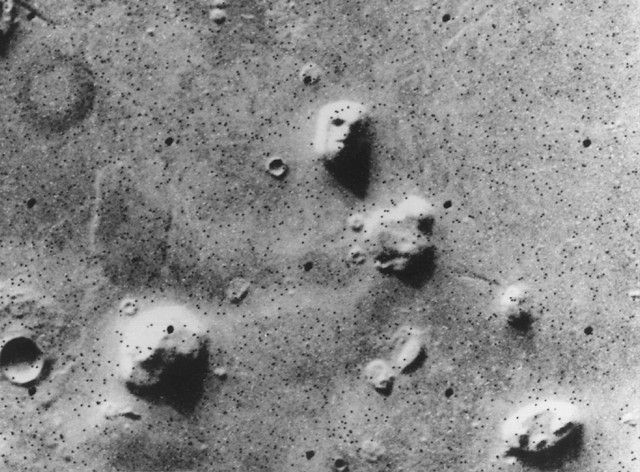
In July 1976, NASA’s Viking 1 orbiter photographed a Martian landform that looked strikingly like a human face. Shadows suggested facial features; transmission errors contributed to some of the details. NASA’s account attributes the formation to natural geological processes.1
A closer look
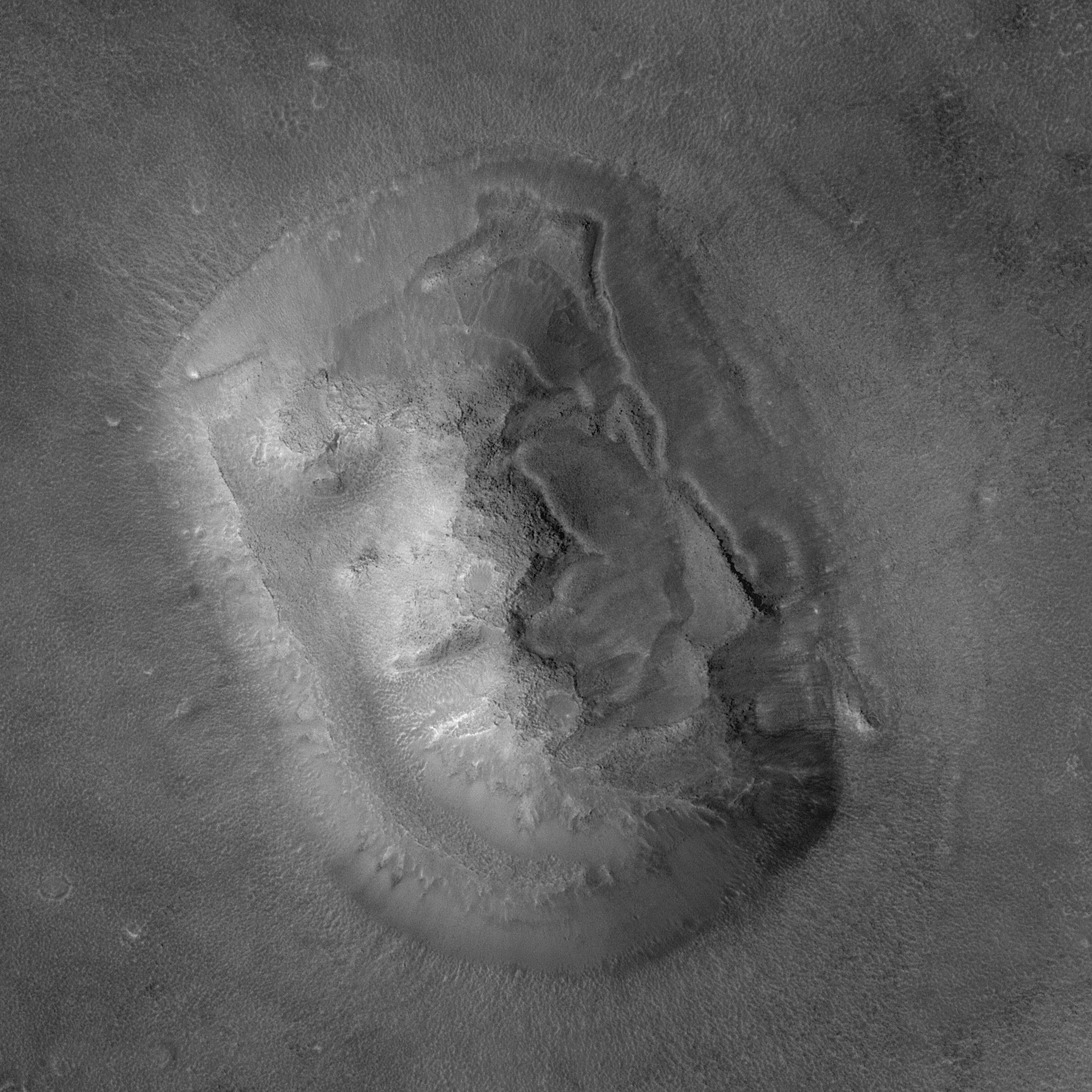
Mars Global Surveyor returned to the feature in April 2001. Its camera recorded details at roughly two metres per pixel, revealing a much more textured landscape than the earlier image.2
The useful question
The interesting question is not whether the first picture looks like a face. It does. It is whether that resemblance tells us how the feature was made.
A resemblance is an observation. An explanation needs more. Here, another observation—made with better resolution—gives us a stronger basis for deciding.